Start with your home
A new air conditioner should fit the home, not just the space where the old equipment sits. Breeze helps homeowners in Kent, King County, and the Eastside think through comfort goals, equipment size, ductwork, electrical readiness, and the condition of the existing system before a replacement decision is made. Our approach is practical and careful: Innovating the Future of Home Comfort starts with understanding your home.
Start with a home evaluation
An installation conversation begins with the home and the people who use it. We look at the existing cooling system, the rooms that feel uncomfortable, how the home is used, and what you want the new system to do. A house with hot upstairs rooms, uneven airflow, limited outdoor space, or recent insulation changes may need a different solution than a similar-looking home nearby.
Useful information to share includes the age and service history of the current equipment, recurring comfort problems, unusual sounds, changes to the home, and any plans to remodel. It also helps to note which rooms are hardest to cool and whether doors, vents, or thermostats seem to affect the problem. These details do not replace an in-person assessment, but they help frame the right questions.
What the evaluation should clarify
The review should identify the existing system type, available equipment location, refrigerant and line-set considerations, thermostat setup, return-air path, and the condition of accessible components. It should also consider whether the proposed equipment can be installed in the available space and whether local permitting or code questions need to be addressed. The exact scope depends on the home and the equipment being considered.
Size for the home, not by rule of thumb
Cooling capacity is not something to choose from square footage alone. A thoughtful design considers the home’s layout, insulation, windows, orientation, air leakage, occupancy, and other load factors. ENERGY STAR’s installation guidance notes that oversized equipment may cycle too frequently, which can reduce comfort and shorten equipment life.
That is why Breeze should confirm how the proposed capacity was selected and whether the existing duct system can support the intended airflow. A system that is too large is not automatically a better system. A system that is too small may struggle during the conditions it was meant to handle. The right answer is specific to the property and the selected equipment.
A simple decision check
| If the home has: | The evaluation may need to explore: |
|---|---|
| Uneven temperatures between rooms | Airflow, returns, duct condition, zoning or room-specific constraints |
| An older system with frequent problems | Repair feasibility, remaining component condition, and replacement compatibility |
| A recent remodel or insulation change | Whether the home’s current cooling load has changed |
| Limited electrical or equipment space | Panel capacity, disconnect location, clearances, and installation options |
This is a conversation guide, not a remote diagnosis. A qualified recommendation should follow an actual assessment.
Ductwork and electrical questions matter
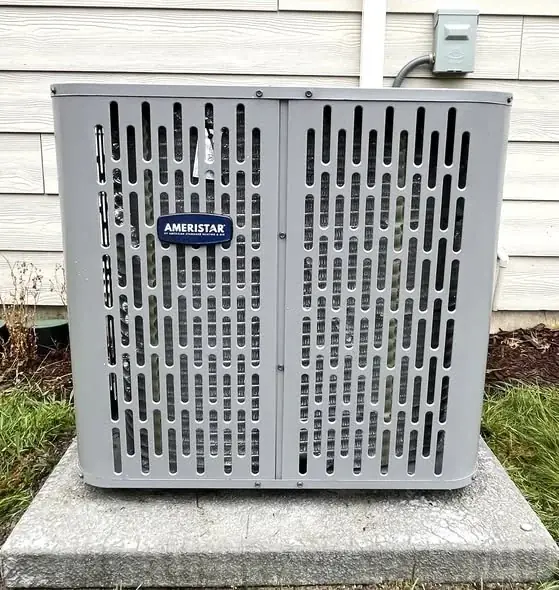
The outdoor condenser and indoor coil are only part of a central cooling installation. Existing ducts may be reusable, but their size, layout, insulation, connections, and leakage can affect comfort and system performance. ENERGY STAR recommends asking that the duct system be inspected and that leakage be tested, with repairs made where appropriate.
Ask whether the proposed airflow matches the equipment’s requirements, whether returns are adequate, and whether any accessible ducts are damaged, disconnected, poorly insulated, or difficult to reach. In some homes, the best answer may involve duct repairs or adjustments rather than replacing every run. The installer should explain what was observed and what is essential versus optional.
Electrical readiness deserves the same care. The assessment may need to review the service panel, available circuit capacity, disconnect, wiring route, grounding, outdoor equipment location, and any other electrical work required by the selected system and applicable code. Do not assume that an existing air conditioner’s circuit automatically answers every question for a new installation. If electrical work falls outside the confirmed Breeze scope, that should be identified clearly before work is planned.
When replacement may make sense
Replacement is one option, not an automatic conclusion. Repair may remain reasonable when the equipment is otherwise sound and the problem is defined and addressable. Replacement may deserve consideration when failures are recurring, major components are affected, the system no longer fits the home, or the duct and electrical picture makes continued operation impractical. The decision should account for condition, compatibility, safety, comfort goals, and the likely work required, not just the age of the unit.
A replacement plan should explain what is being removed, what is being installed, which existing components are reused, and what assumptions still need to be verified. It should distinguish confirmed work from possible allowances, such as duct modifications, electrical changes, line-set work, drainage, controls, or access-related tasks. Breeze can help you compare those questions in plain language without turning an estimate into a one-size-fits-all promise.
Frequently asked questions
Can I choose a replacement unit from the old unit’s size?
Not safely as a general rule. The old system’s capacity may not match the home’s current needs, and the original selection may not have been ideal. A home-specific assessment should inform the proposed size and airflow requirements.
Will my existing ducts work with a new air conditioner?
They may, but that depends on their condition, layout, insulation, leakage, and compatibility with the proposed system. Ask for the ducts to be evaluated rather than assuming reuse or replacement in advance.
Does every AC replacement require electrical work?
No. The answer depends on the existing service, circuit, equipment, wiring, disconnect, and the selected replacement. Electrical readiness should be checked as part of the installation review, with any additional scope explained before approval.
What should I expect after I request an evaluation?
You can expect a conversation about the home and comfort concerns, a review of the existing setup, and questions about equipment, ducts, electrical readiness, and replacement options. The exact next steps, recommendations, and work scope depend on the assessment; no particular timing or outcome should be assumed in advance.
Next step
If you are considering a new air conditioner or replacement, share your home’s comfort concerns and current system details with Breeze through the contact page. We will use that information to determine the appropriate evaluation and explain which questions need answers before a plan is made.