When is it time to discuss panel readiness?
Discuss panel readiness when replacing heating or cooling equipment, planning home charging, remodeling, or adding a major electric appliance. Repeated breaker trips, limited open spaces, or uncertainty about capacity can also prompt an evaluation.
Those signs do not diagnose the cause or prove that a new panel is required. They are a reason to bring the existing system into planning early. Home goals, proposed equipment, and the system’s condition and layout all matter.
Start with an assessment, not an upgrade assumption
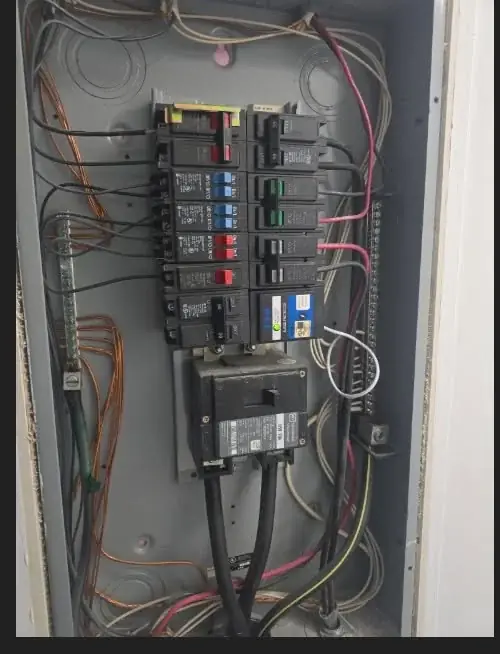
An electrician-led assessment may review the panel, service equipment, available circuit space, visible conditions, planned equipment, and loads that may operate at the same time.
The review can separate an immediate need from a future possibility. A heat-pump installer and electrician may need to coordinate, but a heat pump or EV charger does not automatically mean a panel upgrade. Ask what drives the recommendation, which options were considered, and how it affects future projects.
Compare the possible paths before choosing scope
The practical path might be a dedicated circuit, changes within the existing panel, a subpanel, service-related work, or no panel change before the next project. Each has tradeoffs in capacity, access, future flexibility, cost, and disruption.
A clear proposal should name the work being considered rather than use “panel upgrade” as a catch-all. Ask about equipment location, charging location, utility coordination, and conditions that could affect scope. Final recommendations belong to the qualified professional who evaluates the home.
What may happen during a panel project?
A project may document existing equipment, confirm scope, prepare required permit materials, complete approved work, arrange inspection steps, and review the completed work with the homeowner.
The sequence depends on the jurisdiction, utility, property, and approved scope. In Washington, electrical work generally requires a permit and inspection, with exceptions and permitting authority depending on the location. Washington State L&I’s permit guidance explains why the jurisdiction should be confirmed before work begins.
Coordinate panel decisions with heat pumps and EV charging
A panel decision can be one part of a larger plan. Share heat-pump, ductless, or home-charging goals early so you can decide whether work should happen now or in phases.
For current heating-program information, use your own utility’s official page: Puget Sound Energy heating rebates and Seattle City Light Home Energy Solutions. Programs, requirements, funding, and eligibility can change. These links do not establish that a panel project qualifies for an incentive.
Permits, inspections, and a clear paper trail
Permits and inspections document the work; they are not automatic. The authority can vary by address, and Washington State L&I says an electrical contractor must obtain permits for work the contractor performs. Utility requirements can be separate.
Before authorizing work, ask who obtains permits, which inspection steps apply, whether utility coordination may be needed, and what documentation you will receive. Confirm the contractor’s current qualifications and scope in writing, especially when work supports a later HVAC or EV-charging project.
Electrical panel FAQs
Will a heat pump require a panel upgrade?
Not necessarily. The answer depends on the equipment selected, existing electrical capacity and condition, other household loads, and the project design. An electrician-led assessment can determine whether changes are needed and which options are realistic.
Can I add an EV charger without replacing my panel?
Sometimes, but it is home-specific. Charging equipment, the planned circuit, existing loads, and installation location affect the recommendation. A load assessment is the appropriate starting point; a charger proposal is not an upgrade commitment.
What is the difference between a panel upgrade and a subpanel?
They solve different problems. A panel upgrade can involve changing the primary service equipment or capacity, while a subpanel can add circuit distribution in another location. The right choice depends on what the assessment finds and the future loads you want to plan for.
Do electrical panel projects need permits?
In Washington, electrical work generally requires a permit and inspection, subject to exceptions and the jurisdiction responsible for the address. Confirm the applicable requirements for your property and project before work begins.
Can I plan electrical work now and a heat pump later?
Yes, phasing may suit your timing or budget. Share the future equipment plan with the electrician so the recommendation can account for it. A later equipment selection or site condition may still change final scope.
Ready to sort out your next step?
Tell Breeze what you are planning, a heat pump, EV charging, remodel, or another electrical change, and ask to discuss panel readiness. Recommendations should follow an assessment of your specific home, not a one-size-fits-all assumption.