Is a heat pump worth exploring for your home?
A heat pump can heat and cool by moving heat rather than creating it through combustion. ENERGY STAR describes air-source heat pumps as moving heat indoors in winter and outdoors in summer. That makes one system worth considering when a furnace, air conditioner, or electric-resistance setup is nearing replacement.
Consider it if rooms are uneven, you want cooling where you do not have it, or you are planning electrical changes. Suitability depends on the building, equipment condition, and how you use the home.
Compare heat pump, AC/furnace, and dual-fuel paths
A central heat pump may replace both heating and cooling equipment. An air conditioner paired with a furnace keeps conventional heating and cooling roles separate. A dual-fuel arrangement combines a heat pump with an existing or new furnace, with controls and operating choices planned for the home.
There is no universal best choice. Fuel type, furnace condition, equipment location, duct condition, expected comfort, and project scope all matter. A home-specific recommendation should explain what is kept, what changes, and why, not simply name a system.
Choose ducted, ductless, or a combined approach
Ducted heat pumps can be considered when a home has usable forced-air ducts and the goal is whole-home distribution. Existing ducts should be inspected rather than assumed ready.
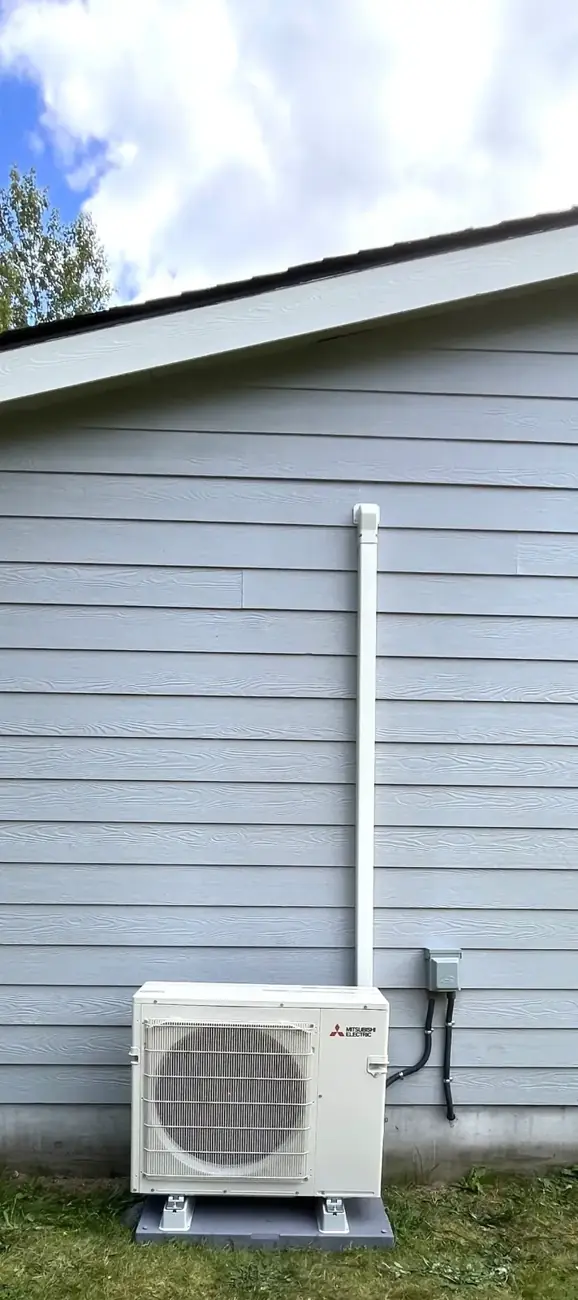
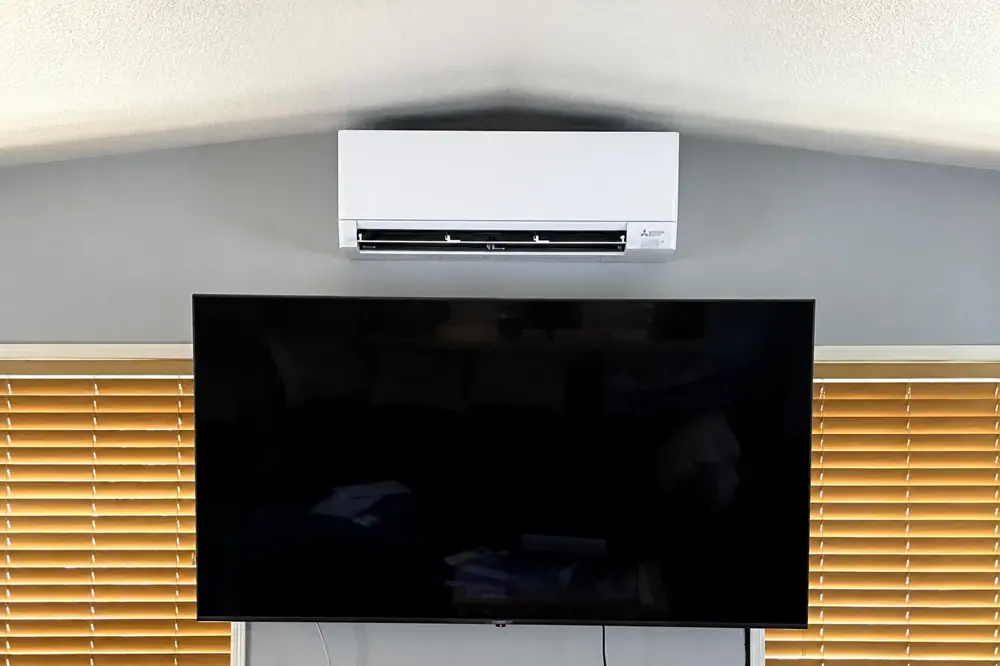
Ductless heat pumps use indoor units to serve selected spaces and can be useful where ducts are absent or impractical, such as an addition or a difficult room. A combined approach can pair a ducted system with a ductless zone when the layout calls for it. Explore Ductless Mini-Splits for room-by-room considerations.
What a home assessment should cover
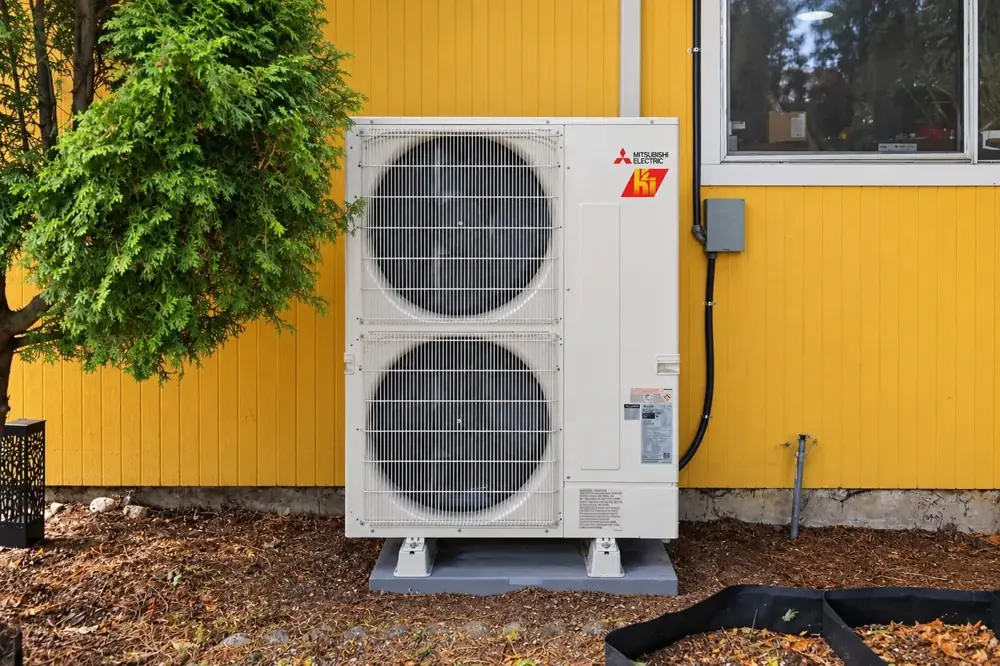
Before choosing equipment, a qualified assessment should look beyond the old unit’s label. Useful inputs include the home’s heating and cooling load, room layout, insulation and air leakage considerations, duct condition and airflow, outdoor-unit placement, controls, drainage, and available electrical capacity.
Proper sizing is central to comfort. ENERGY STAR notes that oversized or undersized equipment can struggle; a Manual J calculation is one sizing tool. An assessment can also identify questions for other trades or permits without assuming every home needs the same scope.
What to expect from a scoped proposal and installation visit
A clear proposal should distinguish equipment, installation work, options, exclusions, and homeowner decisions. Ask how the selected system will be controlled, what work affects ducts or electrical equipment, where components would sit, and what preparation or access may be needed.
If Breeze confirms the project is within its offered scope, review the installation plan before scheduling. Timing, permitting, inspections, and site conditions vary, so this page does not promise cost or an installation window before assessment.
Rebates, panels, and EV plans: coordinate before you commit
Incentives depend on the serving utility, property, equipment, program rules, and timing. Review current sources, not an old advertisement, before relying on an incentive. The Breeze resource at Rebates & Incentives should direct eligible homeowners to PSE Heating Rebates and Seattle City Light Home Energy Solutions, as applicable, then confirm requirements. Eligibility and savings are not guaranteed.
A heat pump or future EV charger does not automatically mean a panel upgrade. An electrician’s load assessment can identify capacity and project requirements; it is not a promise that a particular upgrade is needed or approved. See Electrical Panels before combining projects.
Plan for everyday care
Heat pumps benefit from routine attention. Follow the manufacturer’s filter, outdoor-unit clearance, and control guidance; keep service records; and discuss maintenance needs for the selected system. Care needs vary by equipment and installation, so use the manufacturer instructions and a qualified professional’s recommendations for your home.
Frequently asked questions
How do I compare heat-pump systems?
Start with comfort needs, which spaces need heating or cooling, duct and equipment condition, and your utility. Then compare documented scope, controls, electrical needs, and available equipment, not just a model name.
Can a heat pump use my existing ducts?
Possibly. Existing ducts can be an asset, but their layout, condition, airflow, and sizing should be evaluated. A ducted option should not be assumed appropriate without reviewing those details.
Do I have to replace my furnace?
Not necessarily. A heat pump may be considered as a replacement or as part of a dual-fuel arrangement. The right path depends on the furnace’s condition, the home, operating preferences, and the proposed controls.
Will I need an electrical-panel upgrade?
Not automatically. A qualified electrician can evaluate the existing service and loads in relation to the proposed HVAC equipment and other plans, such as EV charging. Any needed electrical work should be separately scoped.
How do heat-pump rebates work?
Programs can set their own customer, equipment, contractor, and timing rules. Check your serving utility’s current program page and confirm project eligibility before purchase or installation. Do not assume a rebate will apply to every project.
Ready to explore your options?
Tell Breeze about your current system and any future electrical plans. Request a home assessment to begin a home-specific conversation.